Signal Minimum Requirements: What Devices Are Supported
If you're thinking about switching to Signal for secure messaging but aren’t sure if your devices will work, you’re in the right place. Having used Signal daily for years, I’ll walk you through the Signal minimum requirements, what devices are supported, and some helpful insider tips to get the best experience out of this privacy-focused app.
What Are Signal’s Minimum Requirements?
Signal is designed to be straightforward and accessible, but like any app, it does have a few baseline requirements depending on the device you want to use. Here’s a quick overview of the official minimum requirements based on my hands-on experience and info from signal.org:
- Smartphones: Android 4.4+ or iOS 12.4+
- Desktops: Windows 10 (64-bit), macOS 10.10+, or Linux (various distros)
- Internet connection: Necessary for message syncing and sending
These are the basic starting points, but let me break it down a little more based on what you’re actually using.
Supported Devices in Detail
Android Phones and Tablets
Signal supports Android devices running version 4.4 (KitKat) and up. I personally use it on an Android 11 phone, and it works flawlessly. However, a few things to keep in mind:
- Google Play Services: Signal typically requires Google Play Services for smooth installation and updates, but if you’re privacy-conscious and avoid Google, you can still install Signal through their APK on signal.org. Just be sure to update it manually to avoid security risks.
- Battery optimization: On some Android devices, aggressive battery savings can stop Signal from running in the background, causing delays in receiving messages. To fix this, whitelist Signal from battery optimization in your settings.
iPhones and iPads
Signal requires iOS 12.4 or later. That means if your iPhone is an iPhone 5s or newer, you’re good to go. On iPads, Signal works fine but keep in mind it’s primarily designed for phones, so it requires a linked phone number to activate.
- Activation quirks: Signal needs a phone number to register, so if you want to use it on an iPad only, you’ll have to first activate Signal on an iPhone or Android device with a number. After that, you can use the iPad with the linked device.
- Notifications: Sometimes, iOS disables background refresh for Signal, which can cause delayed messages. To avoid this, check that Background App Refresh is enabled in your iOS settings for Signal.
Desktop and Laptop Support
Signal Desktop is a neat addition that syncs your messages from your phone, but here’s the catch — it’s not standalone. You need the mobile app installed and linked.
- Supported OS: Windows 10 64-bit or later, macOS 10.10 or newer, and many popular Linux distributions.
- Linking your device: After installing Signal Desktop from signal.org/download, open the app on your phone, go to Settings > Linked Devices > Link New Device, and scan the QR code on your computer screen.
- Offline usage: Signal Desktop requires your phone to be online for initial linking and syncing, but once synced, you can send and receive messages from the desktop even if your phone is offline — a handy feature I use daily!
Tips for Getting the Most Out of Signal on Supported Devices
Now that you know the Signal minimum requirements and supported devices, here are some practical tips I’ve picked up over time:
- Keep your app updated: Signal pushes security and feature updates regularly. Whether on mobile or desktop, update the app promptly to avoid bugs or vulnerabilities.
- Use Screen Security: Enable this in Signal’s Privacy Settings to prevent message previews from being captured in screenshots or appearing in app switchers — especially useful on shared devices.
- Backup wisdom: Signal doesn’t back up chats to the cloud by default. On Android, you can manually create encrypted backups stored locally. On iOS, it’s trickier — so consider exporting chats you want to save before switching devices.
- Manage notifications carefully: Signal’s default settings can be a bit quiet or overly loud depending on your device. Customize notification sounds and vibration patterns individually for each chat inside the app’s settings.
- Watch out for multi-device quirks: Sometimes, messages might appear out of order between phone and desktop apps. This usually resolves itself after a few sync cycles but can be frustrating if you’re used to instant sync everywhere.
Conclusion: Is Your Device Ready for Signal?
In my experience, Signal’s minimum requirements cover a wide range of modern devices. If you have an Android phone running 4.4+, an iPhone with iOS 12.4+, or any recent Windows, macOS, or Linux machine, you’re good to go.
Just keep in mind the little quirks like battery optimizations on Android or background refresh on iOS, which can affect timely message delivery. And remember, the desktop app always needs to be linked to the mobile app, so you can’t just install it and expect it to work standalone.
If you want to dive deeper or need the latest on supported devices and features, visiting signal.org is always a smart move. They keep their info up to date and provide downloads with clear instructions.
Ready to make the switch? Grab your device, check the requirements, and give Signal a try. Once you get used to it, you’ll appreciate the privacy and simplicity it brings to your conversations.
在【signal官网】,我们坚信隐私保护是一项基本人权。这也是为什么我们不断努力,通过社区互动与技术创新,为您提供最安全的通讯体验。今天,我们很高兴地宣布几项重大更新,这些更新将进一步提升您的使用体验。
强大的端到端加密
与往常一样,您的所有消息、语音和视频通话都受到业界领先的开源 Signal 协议的保护。我们无法读取您的消息,其他人也无法读取。这种加密不仅限于文字,还包括您分享的图片、视频和文件。
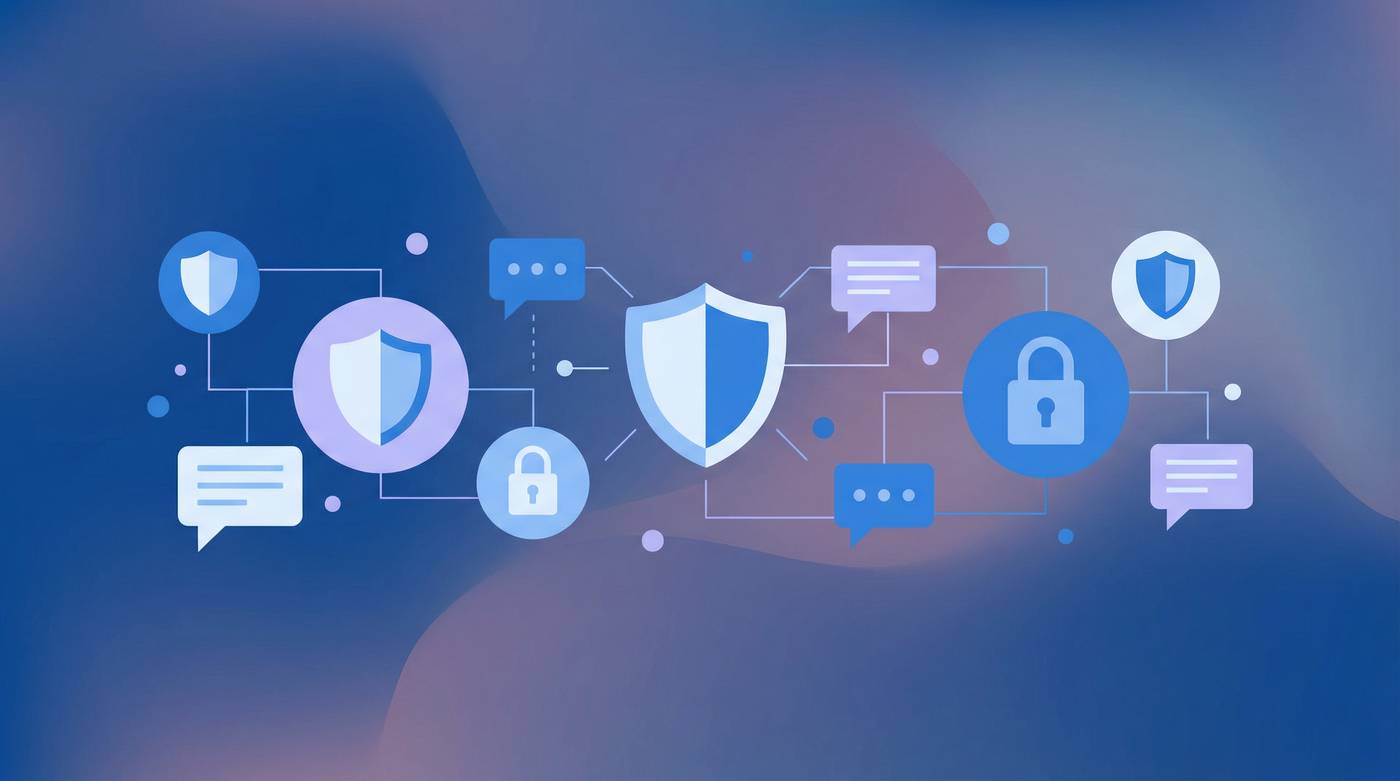
"隐私并非可选项,它是【signal官网】运作的基础。每一条消息,每一次通话,无一例外。"
社区互动的新方式
通过听取社区的反馈,我们引入了全新的加密贴纸功能。现在您可以:
- 使用默认的生动贴纸包表达情感
- 创建并分享您自己的个性化贴纸
- 所有贴纸在传输过程中均被完全加密
加入我们,共同成长
【signal官网】是一个由用户支持的非营利组织。我们没有广告,也没有追踪器。我们的发展完全依赖于像您一样重视隐私的人们的捐赠和支持。感谢您与我们一起,为建立一个更安全的数字世界而努力。